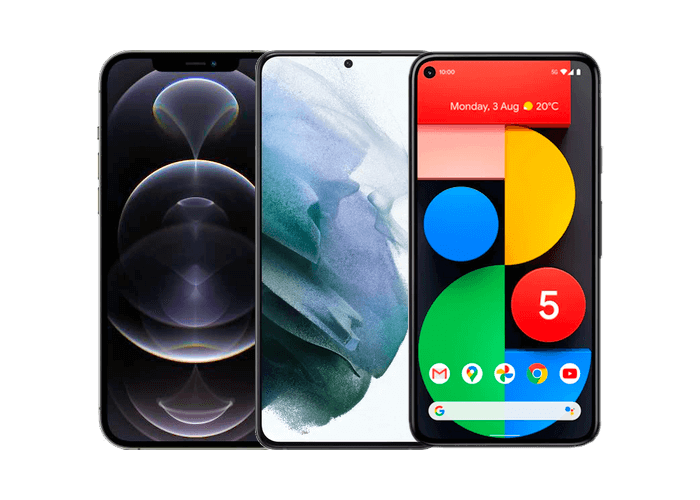
📌 Android:
Android Inc. was founded in October 2003 in Palo Alto, California, by Andy Rubin, Rich Miner, Nick Sears, and Chris White, with the original aim of creating an advanced operating system for digital cameras before shifting focus to mobile devices. In August 2005, Google acquired Android Inc., bringing the founders into the company and transforming Android into a Linux-based, open-source mobile operating system designed to compete with emerging smartphone platforms. The first commercial Android device, the HTC Dream (T-Mobile G1), launched in 2008, marking the beginning of what would become the world’s most widely used mobile OS.
📌 Harmony OS:
HarmonyOS is a proprietary operating system developed by Chinese tech giant Huawei, first unveiled on August 9, 2019 at the Huawei Developer Conference as a microkernel-based distributed OS designed to run across smart TVs, wearables, IoT devices, and later smartphones and tablets, with development work reportedly beginning years earlier as a way to reduce reliance on foreign platforms like Android amid U.S. trade restrictions; leadership under Huawei’s Consumer Business Group, particularly CEO Richard Yu (Yu Chengdong), has positioned HarmonyOS as both a strategic “Plan B” and a unified ecosystem that can connect a wide range of hardware in a seamless experience.
📌 IOS:
iOS, originally called iPhone OS, was created by Apple Inc. under the leadership of Steve Jobs, with key contributions from engineers like Scott Forstall, who headed the iOS software team, and designers such as Jonathan Ive, who shaped its interface. Development began in the mid-2000s as Apple secretly worked on the first iPhone, combining elements from macOS to build a touch-optimized, secure, and fluid mobile operating system. iPhone OS was officially unveiled on January 9, 2007 during the launch of the first iPhone, and it was later rebranded as iOS in 2010. Since then, it has evolved into one of the world’s most advanced and influential mobile operating systems, powering iPhones, iPads (until iPadOS split), and other Apple devices.
Android vs iOS vs Harmony OS — Detailed Comparison (2025)
1. Overview
| Feature | Android | iOS | HarmonyOS |
| Developer | Apple | Huawei | |
| Open/Closed | Open-source (AOSP) + OEM skins | Closed ecosystem | Hybrid microkernel, distributed OS |
| Devices | Samsung, Pixel, Xiaomi, OnePlus, etc. | iPhone only | Huawei phones, tablets, IoT devices |
| App Store | Google Play + OEM stores | Apple App Store | Huawei AppGallery |
2. User Experience (UX/UI)

Android
- Highly customizable
- Widgets, themes, launchers
- Varies by brand (Samsung OneUI, Xiaomi HyperOS, Pixel UI)
iOS
- Smooth, polished UI
- Uniform design across devices
- Best app optimization
HarmonyOS
- Clean, minimalist UI (similar to EMUI)
- Deep integration with Huawei ecosystem
- Super Device feature for seamless multi-device control
Winner:
- Customization: Android
- Polish & consistency: iOS
- Multi-device experience: HarmonyOS
3. Performance

Android
- Depends on hardware and skin
- Best performance on Pixel (stock Android) and Samsung flagships
iOS
- Best-in-class performance due to Apple Silicon (A-series chips)
- Tight hardware–software integration
HarmonyOS
- Smooth on Huawei hardware
- Uses microkernel + improved memory management
- Comparable to flagship Android phones
Winner:
- Overall: iOS
- Efficiency: HarmonyOS
- Variety of performance levels: Android
4. App Ecosystem

Android
- Largest app variety
- Play Store + alternative stores
- Some apps not as optimized as iOS
iOS
- Best-quality apps
- Exclusive apps (Final Cut Pro, Logic Pro, etc.)
- Strict security rules
HarmonyOS
- Relies on Huawei AppGallery
- Not all global apps available
- Growing app ecosystem in China
Winner: iOS (quality), Android (availability), HarmonyOS (limited worldwide)
5. Privacy & Security

iOS
- Strongest privacy features
- App tracking protections
- Closed ecosystem reduces risks
Android
- Strong security but varies by manufacturer
- More vulnerable due to openness
HarmonyOS
- Microkernel architecture improves isolation
- Strict Huawei security layers
- Limited global audits
Winner: iOS
6. Ecosystem & Device Integration
Android
- Good but fragmented
- Best with Samsung + Google ecosystem
iOS
- Unmatched ecosystem
- AirDrop, iMessage, FaceTime, Handoff, Continuity Camera
HarmonyOS
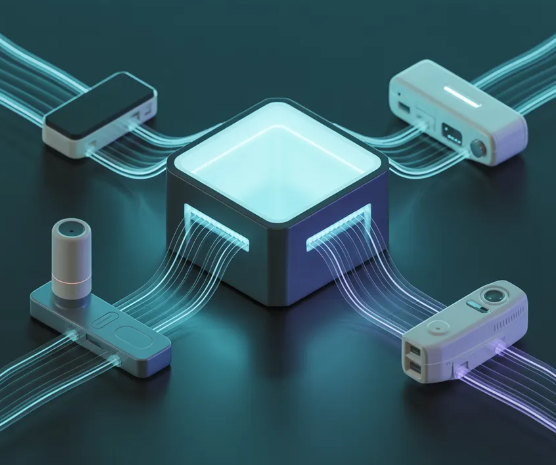
- Designed for IoT + AI integration
- “Super Device”: Connect phone, TV, watch, speakers instantly
- Very strong in China
Winner:
- Global ecosystem: iOS
- AI + IoT integration: HarmonyOS
7. Gaming

iOS
- Best performance
- More premium games available
- Better thermal control
Android
- Wider game selection
- Supported by companies like ASUS ROG, RedMagic
HarmonyOS
- Good for Huawei-only optimizations
- Limited game availability
Winner: iOS
8. Updates
iOS
- Fast & long updates for all devices
Android
- Update speed varies by OEM
- Pixel gets fastest updates
HarmonyOS
- Fast updates on Huawei devices
- Limited rollout outside China
Winner: iOS
🎯 Conclusion:
In conclusion, Android, HarmonyOS, and iOS each excel in different areas, making the best choice dependent on user needs. Android stands out for its openness, deep customization, wide device variety, and affordability, making it ideal for users who want flexibility and options across brands and price ranges. iOS delivers the most polished and secure experience, with unmatched performance, long-term updates, and a tightly integrated ecosystem that works seamlessly across Apple devices, making it the best choice for those who value stability, premium quality, and top-tier app optimization. HarmonyOS, on the other hand, shines with its distributed architecture and strong IoT integration, offering an innovative multi-device experience—especially for users within the Huawei ecosystem—though its global app support remains limited. Ultimately, Android offers freedom, iOS offers refinement, and HarmonyOS offers futuristic multi-device connectivity, giving users strong but distinct pathways depending on their priorities.

Leave a Reply